
 |
 |
Michael
|
Todd
|
Life in Togo
Michael talks about life in Togo in West Africa.
Todd: Now, Michael, you were in the Peace Corps?
Mike: Peace Corps, yeah.
Todd: Can you explain what the Peace Corps is and what you did?
Mike: Well, it's an organization, U.S. Government organization, that sends young people, for the most part, college graduates, to different countries to work as volunteers in either construction or education. I was in education. I was a high school teacher.
Todd: Where did you go? What country?
Mike: I was in Togo.
Todd: Togo?
Mike: It's a little country between Ghana and Dahome, and the time Benan, Nigeria, West Africa.
Todd: West Africa, yeah.
Mike: And I was a high school teacher. I was an education major at the University of Michigan, and trained as a high school teacher there, but I had to get a complete different training, skills, to work in West African high schools. I mean, for one thing, the classes were huge, like a hundred students in a class, and we didn't have textbooks. We just had a blackboard in front of the class, and students had notebooks, so you had to really manage the class so that the students always had something to write down, or practice from their notebooks, and you know I had like four or five classes like that every day, and it was a very grueling job, but very, very exciting work, I mean, I loved it. I just loved it. It was the best thing a college grad could do in my opinion.
Todd: What type of experiences do you remember about living in Togo?
Mike: Ah, living in Togo, well, I was a foreigner, right? I was white, I am white, and everybody was African, black, so there was this feeling of always being an outsider and occasionally, not occasionally, often, you know, kids would make fun of you for being different, and you know, so it was sort of hard to get used to that, but that was one thing I remember.
Mike: I mean, I remember the beauty of it all, and how in the tropical area, how things grow like it would rain almost every day and then when the rain stopped and the sun came out, you could just literally see flowers growing, plants blossoming, you know, that's one thing I really remember.
Todd: Man, it must have been really, really beautiful.
Mike: It is.
Todd: Have you ever gone back?
Mike: You know, I was just thinking about that the other day, that why, no I haven't gone back. I haven't gone back. I would love to. If I have the opportunity I will, or I have to make the opportunity to go back. It's a very volatile country, though, you know. It's not an easy country to go to just as a visitor. I think you need to have something to do there, like I did, you know, I had a regular routine, and place to live. I don't think I would want to go there as a tourist, but I'd love to go back if I have an invitation to do something again.
Todd: Alright, thanks Mike.
Mike: Sure.
grueling

It was a very grueling job, but exciting work.
If a job is 'grueling,' it is very difficult. We usually use this word to describe something that is physically difficult. Notice the following:
- January is always a grueling month at the office.
- It was a grueling hike, but the view from the top was incredible.
outsider

So, there was this feeling of always being an outsider.
If you are not part of a group or don't feel like you fit in, then you are an 'outsider.' Notice the following:
- Although she went to their parties, she always felt like
an outsider.
- When I moved to my new school, nobody treated me like an outsider.
get used to

So, it was sort of hard to get used to that.
When you 'get used to' something, it no longer bothers you. Notice the following:
- I will have to get used to waking up early.
- She never got used to wearing shoes in the house.
blossom
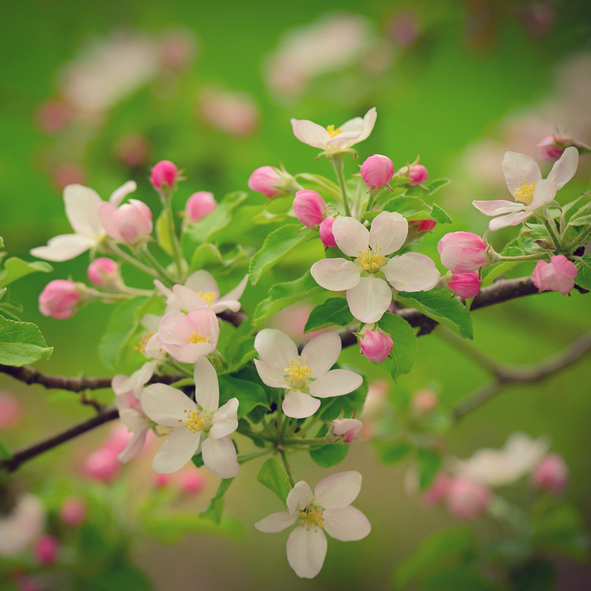
You could just literally see flowers growing, plants blossoming.
Plants or trees 'blossom' when they grow flowers. Notice the following:
- When flowers blossom in the spring, the garden is very colorful.
- The apple tree is beginning to blossom. It smells great!
volatile
It's a very volatile country.
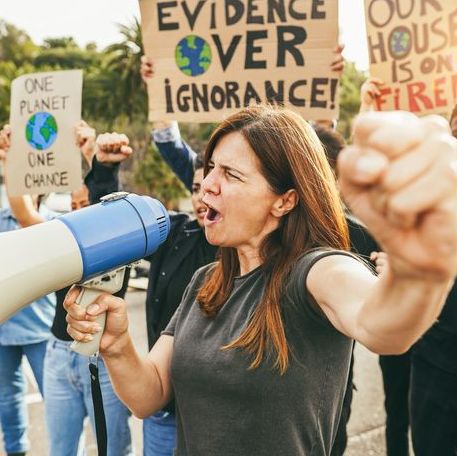
Something that is 'volatile' changes very easily. When talking about a country being volatile, it typically means that violence can break out at any moment. Notice the following:
- Volatile countries often have a lot of protests or fighting.
- Weather on the ocean is volatile, so ships must be careful.
literally

When the rain stopped, you could literally see flowers growing.
'Literally' means something is true and really happened. Notice the following:
- I was literally shaking from the cold.
- We literally got home five minutes ago.
for the most part
Young people, for the most part, work in either construction or education.
'For the most part' means mostly or in most cases. Notice the following:
- For the most part, the weather was nice.
- The students, for the most part, finished on time.
for one thing

I mean, for one thing, the classes were huge.
You say 'for one thing' before giving one reason for something. Notice the following:
- I don't want to go. For one thing, I'm tired.
- I did not buy the shirt. For one thing, it's too expensive.
make fun of

Kids would make fun of you for being different.
If people 'make fun of you,' they tease you or laugh at you in an unkind way. Notice the following:
- Some kids made fun of my glasses.
- Don't make fun of other people.
you know

And, you know, I had like four or five classes like that every day.
People say 'you know' to give themselves time to think or to pause for emphasis. Notice the following:
- It was, you know, really difficult.
- He's, you know, a typical American teenager.
I would love to

I haven't gone back. I would love to.
The phrase 'I would love to' shows that a person wants to do something. Speaker can use it without a verb to refer back to a previous statement. Notice the following:
- I have never visited Italy, but I would love to someday.
- I cannot attend the party this time, but I would love to next time.
Vocabulary Quiz
blossomed • volatile







More Listening Lessons by ELLLO




Free Worksheets
and Courses