
 |
 |
Keren
|
Todd
|
Great Places
Keren talks about some of the interesting places she has visited in the world.
Todd: OK, now Keren, Hello.
Keren: Hello.
Todd: I thought we would talk about travelling. Now you've travelled to many places, many continents.
Keren: Yes.
Todd: Can you talk about some of the places you've been to.
Keren: Yes. First of all, I spent about four and a half months in Australia. I suppose the most amazing place I went to there was Uluru.
Todd: Uluru.
Keren: Ayers Rock. And it's just an incredible place which is... the land is very barren and very red and the sky is very blue and it's just beautiful.
Todd: Wow, And what's it called again?
Keren: Uluru.
Todd: Uluru. OK, besides there, anywhere else?
Keren: I've also been to South America. I spent a year in Peru and while I was there I went to Machu Picchu.
Todd: Machu Picchu. What is Machu Picchu?
Keren: Machu Picchu is an ancient ruin of an old Inca town.
Todd: Do you know how old it is?
Keren: Probably about seven hundred, eight hundred years old, I think. It's not actually that old.
Todd: Oh, really.
Keren: Really.
Todd: Huh! That's interesting.
Keren: Yeah.
Todd: OK, any other places?
Keren: I spent quite a lot of time in Spain and the most interesting place I went there was Granada.
Todd: Granada.
Keren: Yeah.
Todd: OK, what's in Granada?
Keren: The Alhambra which is the old Muslim capital of Spain. And it's an amazing old town with Muslim palaces.
Todd: And there is just one palace or is there many, many palaces?
Keren: There is many, many ruins and there's a lot to do. You can spend the whole day there walking around the different old buildings that were built in different times.
Todd: Very cool. So, you've seen something in Australia, in South America, in Europe, how about Asia?
Keren: Asia. I've been to Japan and Thailand and Malaysia and Singapore.
Todd: And what is you favorite place in Asia?
Keren: Hmm. It's a difficult question. I liked Hokkaido.
continents
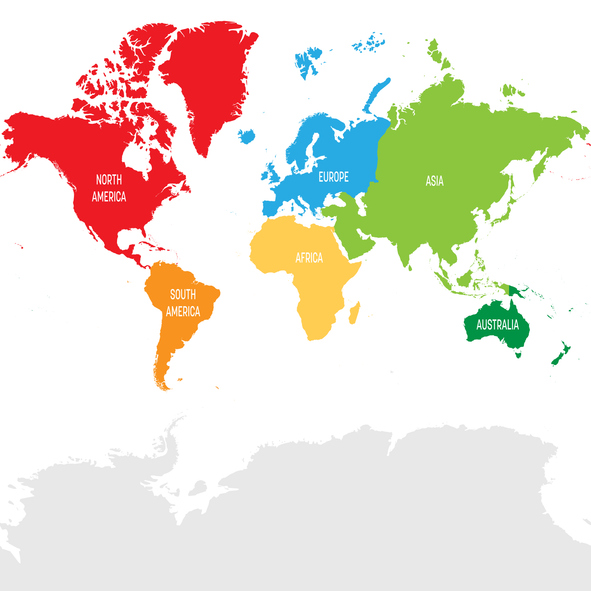
Now you've travelled to many places, many continents.
A 'continent' is one of the Earth's seven large land areas, such as Asia, Europe, or Africa. Notice the following:
- She has visited five continents.
- Asia is the largest continent.
spent
I spent about four and a half months in Australia.
Here, 'spent' means passed or used a period of time in a particular place or doing a particular activity. Notice the following:
- We spent the summer in Italy.
- He spent three years studying abroad.
I suppose

I suppose the most amazing place I went to there was Uluru.
We use 'I suppose' when giving an opinion that is not very strong or after thinking about something. Notice the following:
- I suppose you're right.
- I suppose we should leave now.
barren
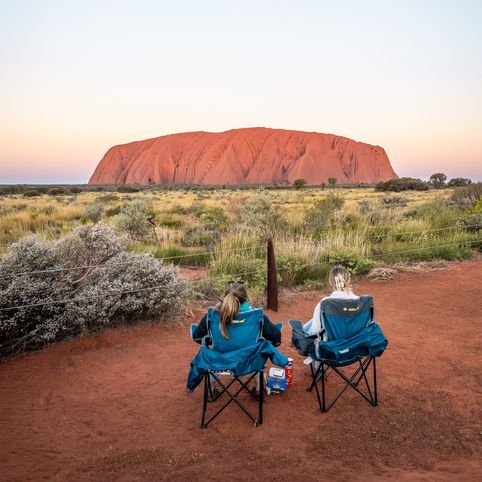
The land is very barren and very red.
If land is 'barren,' very few plants grow there because it is dry or has poor soil. Notice the following:
- The desert is dry and barren.
- Only a few plants can grow in barren land.
besides there
OK, besides there, anywhere else?
We use 'besides there' to ask about another place in addition to the one already mentioned. Notice the following:
- Paris sounds nice. Besides there, where else did you visit?
- I'll check out the museum. Besides there, is there any place else you recommend?
else
OK, besides there, anywhere else?
We use 'else' to refer to another person, place, or thing in addition to what has already been mentioned. Notice the following:
- Does anyone else want some coffee?
- Where else would you like to go?
ancient
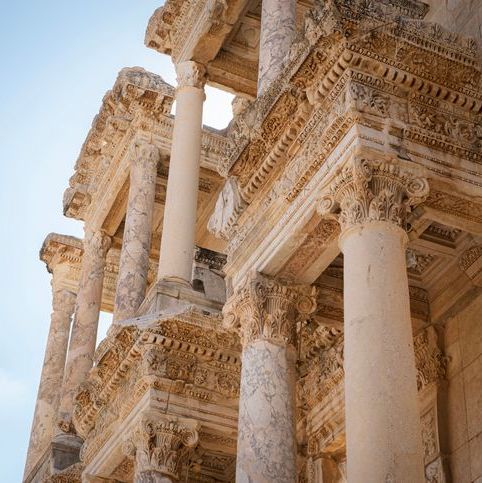
Machu Picchu is an ancient ruin of an old Inca town.
If something is 'ancient,' it is extremely old and often has historical importance. Notice the following:
- We visited an ancient temple.
- Ancient civilizations built these monuments.
not that
It's not actually that old.
Here, 'not that' means "a little bit" or "not very" concerning the degree of something. Notice the following:
- The test wasn't that difficult.
- It's not that expensive, but it's not that cheap either.
actually

It's not actually that old.
We use 'actually' to introduce information that may surprise someone or correct a misunderstanding. Notice the following:
- Actually, I have already finished.
- I thought he was Canadian, but he's actually Australian.
quite a lot of
I spent quite a lot of time in Spain.
The phrase 'quite a lot of' means a large amount or many of something. Notice the following:
- We have quite a lot of homework tonight.
- She knows quite a lot of people in Tokyo.
ruins
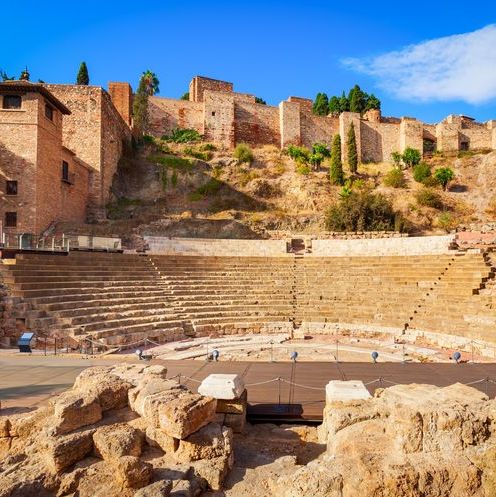
There are many, many ruins and there's a lot to do.
'Ruins' are the remains of old buildings that have been damaged or destroyed over time. Notice the following:
- The castle ruins are over five hundred years old.
- Tourists enjoy exploring the ancient ruins.
capital
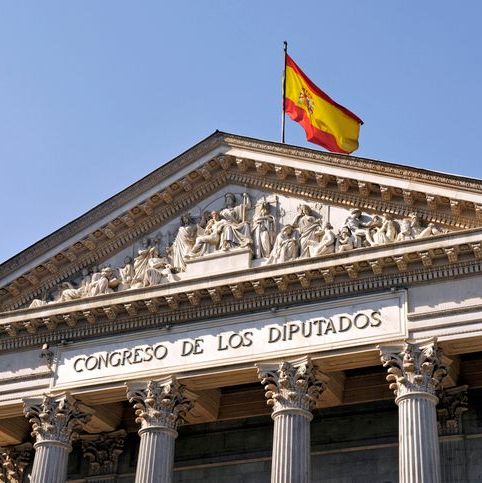
The Alhambra was the old Muslim capital of Spain.
A 'capital' is the main or most important city of a country or region, where the government is usually located. Notice the following:
- Tokyo is the capital of Japan.
- They traveled to the capital for a meeting.
the whole day
You can spend the whole day there walking around.
The phrase 'the whole day' means all day, from beginning to end. Notice the following:
- We spent the whole day at the beach.
- It rained the whole day yesterday.
difficult question.
It's a difficult question. I liked Hokkaido.
A 'difficult question' often requires a lot of thought because there is no clear answer. Notice the following:
- That's a difficult question. Let me think about it.
- The teacher asked a difficult question in class.
palace
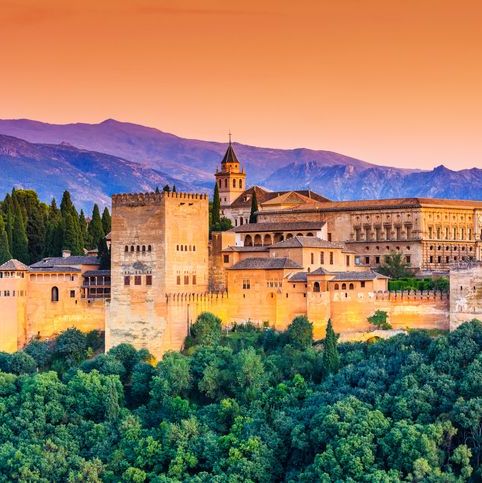
And there is just one palace or is there many, many palaces?
A 'palace' is a large and impressive building where a king, queen, or other important ruler lives or once lived. Notice the following:
- We toured the royal palace.
- The palace is open to visitors every summer.
Vocabulary Quiz
barren • capital • palace
Try These Lessons






More Listening Lessons by ELLLO



Free Worksheets
and Courses